Bay Park First Try, Hill Start Third Attempt: The Skills New Drivers Are Quietly Losing
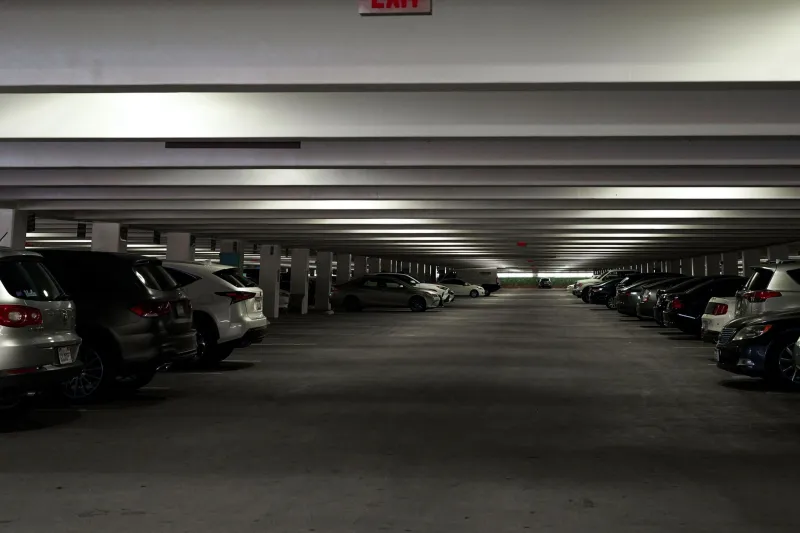
Watch a seventeen-year-old reverse into a tight bay at your local Tesco and you'll be impressed. Smooth, centred, done in one movement. Now ask them to pull away on a 16% hill in a hired van with no sensors, and you'll hear the handbrake groan from three streets away.
That gap — between tech-assisted confidence and old-fashioned car control — is becoming the defining feature of Britain's newest drivers. And not everyone in the trade thinks it's fine.
The Camera Did the Learning
Here's the uncomfortable truth: a lot of learners today are practising their parking with a safety net that won't be there on test day — or in their first car, if that first car is a 2011 Fiesta with 98,000 miles and a scratched rear bumper.
"I've got pupils who've never once turned their head to reverse," one instructor from a large UK driving school network told us. "They line up the camera, follow the lines on the screen, job done. Then I cover the screen with a bit of tape and it's like I've asked them to park by sonar."
The DVSA doesn't allow reversing cameras on the driving test. Bay parking is still in the syllabus, done the old way — mirrors, observation and a bit of neck. But instructors say the hours of natural practice that used to happen before lessons even start simply aren't happening, because the family car does it for you.
What's Actually Disappearing
We asked a handful of instructors, a retired examiner and a fleet trainer which skills they reckon are quietly dying. Their list was remarkably consistent:
- Hill starts. Auto-hold and hill-start assist mean many new cars simply won't roll back. Learners in automatics may never feel the bite point under pressure.
- The three-point turn. No longer a test requirement, and rarely practised — despite being something you'll need on every narrow Cornish lane you ever encounter.
- Clutch control generally. The rise of the automatic is real: over half of new cars sold in the UK now come without a third pedal. That's a genuine shift, not a moral panic.
- Reading a space with your eyes. Sensors beep; they don't teach you to judge distance.
The fleet trainer we spoke to put it bluntly: "Young drivers arrive brilliant at following screens and useless at knowing where the corners of the car are. Then we hand them a Transit."
Does It Actually Matter?
Here's where we'll go against the grumbling-instructor stereotype: partly, no. Safety tech has made novices safer, full stop. Fewer scraped walls, fewer low-speed shunts in car parks, fewer reversing tragedies. If a camera prevents a child being knocked over on a driveway, that's a trade worth making every single time.
But there's a difference between safety skills and capability skills. The worry from the trade isn't that tech-free driving is more virtuous — it's that drivers who've never developed the underlying skill are fragile when the tech isn't there. Rental vans, works pickups, a mate's old manual, a hire car in Spain with no sensors: that's when the gaps show up.
There's also a subtler point. Spatial awareness — knowing where your car ends — isn't just about parking. It's what lets you place a car confidently on a narrow road at 50mph, or judge whether that gap on the A-road is genuinely there. Drivers who've outsourced that judgement to a screen may be slower to develop it in the situations where it matters most.
What You Can Do About It
If you're a new driver — or buying a first car for one — a few practical thoughts:
- Practise with the screen off. Ten minutes a week reversing by mirrors alone in an empty car park will do more than any app.
- Find a hill. Real handbrake hill starts, repeated until boring. It's the cheapest insurance you'll ever buy.
- Consider a manual first car — even briefly. Not out of nostalgia, but because clutch control is genuine car sense you'll keep forever.
- Don't skip the three-point turn. Test or no test, you'll need it on a lane somewhere between two tractors.
For parents buying used, it's tempting to prioritise the newest car with the most sensors — and fair enough for safety. But a slightly older car without the full electronic safety net, driven thoughtfully, might produce a more complete driver than a fully assisted one driven passively. There's a reason instructors often run their own pupils in basic, no-nonsense cars.
The Verdict
The reversing camera generation aren't worse drivers — they're differently shaped ones. Superb at the tasks technology helps with, undercooked at everything else. The tech isn't going anywhere, nor should it. But the skills underneath it are worth keeping alive deliberately, because one day the screen will be blank, the van will be borrowed, and the hill will be steep.
Roll back an inch and you'll know exactly what we mean.