Barn Finds by the Batch: Inside Britain's 700,000-Strong Army of Sleeping Cars
Photo: Basher Eyre , CC BY-SA 2.0, via Wikimedia Commons
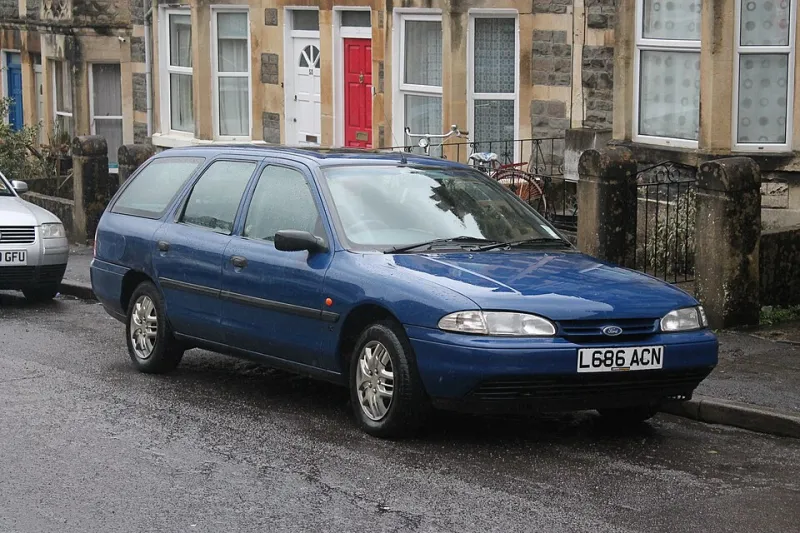
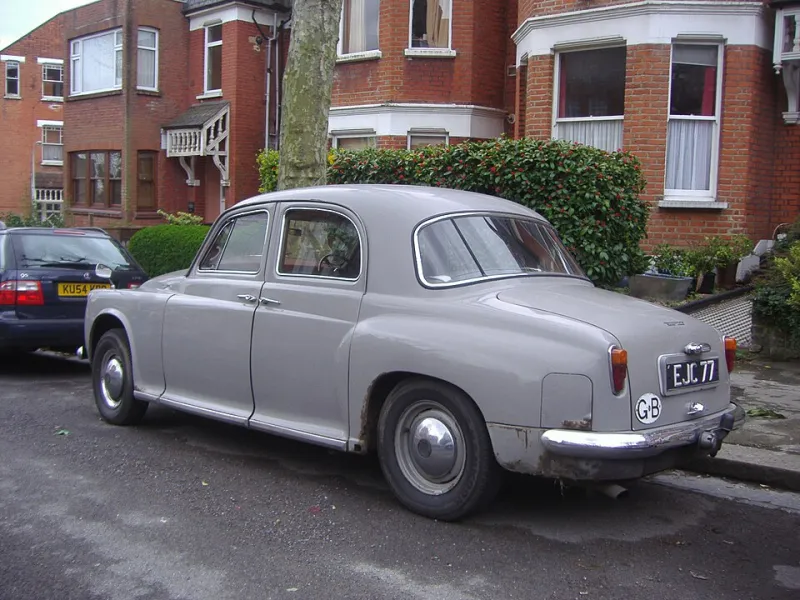
Somewhere in Britain right now, a Mk2 Golf is sleeping under a tarp in a Leicestershire barn. A Mondeo estate is flat-batteried on a driveway in Newport. A Jaguar XJ8 — the good one, the last of the proper ones — is being slowly adopted by a garage full of garden furniture in Perthshire.
They're not stolen. They're not abandoned, technically. They're SORN'd: declared Statutory Off Road Notification to the DVLA, which means no tax, no insurance requirement and, legally, no driving on any public road. And there are around 700,000 of them, give or take, quietly rotting or gently waiting depending on how you look at it.
Why So Many Cars Go to Sleep
The reasons are more mundane than you'd think. Sure, some are project cars — the MGBs and Cortinas bought with grand restoration plans and shelved when the sills turned out to be made of biscuit. But the bulk of the SORN population is ordinary cars whose owners hit a wall: a repair quote bigger than the car, a failed MoT, a second vehicle nobody needed anymore but couldn't bear to scrap.
SORN is free, which is the hook. Once you've declared it, you get a refund on any remaining tax, and you stop paying for a car that sits still. The problem is that sitting still is the most expensive thing a car can do — it just doesn't feel expensive because there's no direct debit leaving your account.
Where They End Up
We traced a handful of dormant cars through the trade. The routes out of the garage are predictable:
- The scrapyard, when the owner finally concedes. Roughly half of long-term SORN'd cars never drive again.
- The auction or Facebook Marketplace, where barn finds are sold as romantic mystery boxes. Some are gems; most are a bill with a body attached.
- The resurrection, the rarest and best outcome — a new owner who actually does the work.
That last category is what interests us, because it's where the money is won or lost.
The Resurrection Bill: What It Actually Costs
We followed a reader's 2003 Saab 9-3 that spent six years in a Cardiff garage. Here's the honest breakdown:
| Item | Cost |
|---|---|
| Four tyres (age-hardened, cracked sidewalls) | £280 |
| New battery | £75 |
| Full fluid change — oil, coolant, brake fluid, fuel drained and refreshed | £180 |
| Brake overhaul — seized calipers, new discs and pads | £340 |
| Fuel pump and filter (petrol had turned to varnish) | £160 |
| MoT test (after a pre-MoT inspection) | £55 |
| Labour for the lot at an independent | £600 |
Call it £1,700 for a car worth maybe £2,500 on a good day. It's tight — but it's cheaper than the equivalent modern car, and the Saab is now a daily driver.
The tyre point deserves emphasis. Rubber older than about six years is a liability regardless of tread depth, and it's the single most dangerous thing on a dormant car. Check the DOT date code on the sidewall before you even think about turning a wheel.
The DVLA Paperwork, Decoded
Getting a SORN'd car back on the road is easier than people fear:
- Insure it — you'll need a live policy before anything else.
- Tax it — you can do this online the same day; the SORN is cancelled automatically when you tax.
- MoT it — if the MoT has expired, you can legally drive to a pre-booked test, but only that. Most resurrected cars fail on the first attempt; budget for a second visit.
One insider tip: if the car's been off the road more than a few years and the V5 has gone walkabout, apply for a replacement V5C before you start work. It's free, it takes a few weeks, and doing it early saves a painful delay when the car's finally ready.
Should You SORN or Should You Sell?
The honest maths: if a car needs more than its market value to return to the road, and you don't love it, sell it running or scrap it. But if it's the car you always meant to fix — and you've got a dry garage and a realistic budget — the SORN system means Britain's sleeping stock is a genuine resource. Somebody's project is always somebody else's bargain.
Just check the tyres first.