Congestion Charge, Country Bumpkin: What It Actually Costs to Run a Car in London vs the Lakes
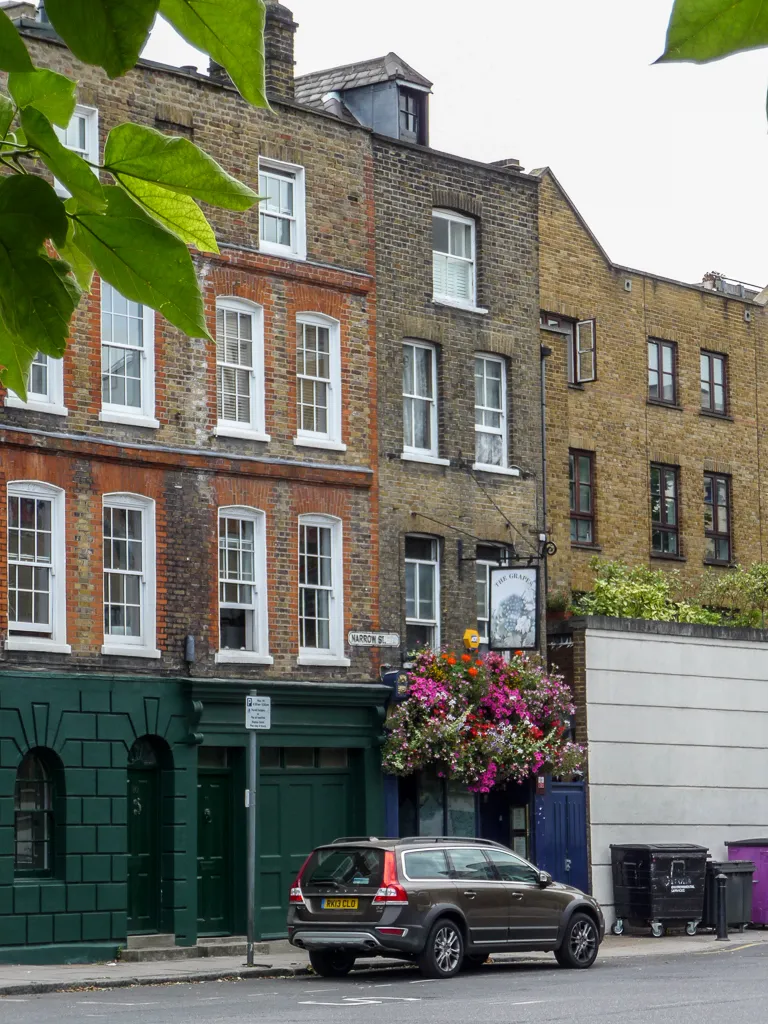
Photo: Christine Matthews , CC BY-SA 2.0, via Wikimedia Commons
There's a persistent fantasy among British drivers: escape the city, buy a tumbledown cottage somewhere with sheep in the garden, and watch your motoring costs collapse. No congestion charge. No ULEZ. Parking that doesn't cost more than the car. Just you, an empty A-road and the wind in your wing mirrors.
We decided to find out if it's actually true — with real numbers, from two of our readers living at opposite ends of the motoring spectrum.
Meet the Guineapigs
Priya, 34, Camberwell, south London. Runs a 2019 VW Golf 1.5 TSI, drives roughly 6,000 miles a year, mostly commuting to a hospital in Zone 2 and the occasional trip up the M1 to see family in Leeds.
Dave, 41, near Ambleside, Cumbria. Runs a 2016 Skoda Octavia diesel with 118,000 miles on the clock. Drives about 14,000 miles a year because, in his words, "everything is 40 minutes away. The shop. The dentist. Everything."
Both were happy to open their banking apps and share a year of receipts. What follows is what we found.
The London Ledger
Priya's costs, annualised:
- Congestion Charge: £0. She works shifts and drives off-peak, and she's outside the zone. Many Londoners genuinely avoid it — but if you commute into the centre, add £15 a day and this line item becomes £3,500+.
- ULEZ: £0 — her Golf is compliant. Buy a pre-2015 petrol in London and you're forking out £12.50 every time you turn the wheel inside the boundary.
- Resident parking permit: £145 (Southwark, higher band).
- Insurance: £780. The London premium is real — same driver, same car, same no-claims, quoted at £410 in Carlisle.
- Fuel: roughly £900 at her annual mileage.
- Repairs, MOT, servicing: £620, including a nasty surprise in the form of a corroded rear brake pipe.
- The hidden stuff: one parking ticket (£65, paid at discount), two CPZ visitor passes for family visiting, and a £40 scratch on a wing from a bollard she swears "moved."
Total: roughly £2,550 — and that's a best-case Londoner. Make a daily central commute in a non-compliant diesel and you can double it before you've bought a litre of oil.
The Cumbrian Counterfoil
Dave's year looks like this:
- No congestion charge, no ULEZ, no permit. His parking is a gravel driveway. £0 across the board.
- Insurance: £430.
- Fuel: £2,100. This is the big one. There is no popping to the shops. There is a 22-mile round trip to an Aldi.
- Maintenance: £1,150. Rural roads eat suspension. He's been through two tyres from potholes, a cracked wheel, and a rear bush that gave up somewhere on the A591.
- Depreciation and rust: harder to quantify, but the salted winter roads up Kirkstone Pass are visibly dining on his sills.
Total: roughly £3,700. More than Priya. Genuinely, properly more.
The Hidden Line Items Nobody Mentions
The spreadsheet misses the texture. In London, the hidden cost is friction — the mental tax of a 40-minute hunt for a space, the paranoia about scratches, the way you think twice before driving at all. Many Londoners end up paying for a car they barely use, which is its own absurdity.
In the countryside, the hidden cost is dependency. Lose your car in Ambleside and you've lost your independence entirely. Buses run on a timetable that assumes you have nowhere to be. Dave also points out the £200-a-year he spends on "just getting places" — the ferry across Windermere, the extra fuel for trips that would be a walk in any city.
Verdict: Is the Rural Dream a Myth?
Sort of. Rural motoring isn't cheaper — it's simpler. You swap a barrage of small charges for one enormous fuel bill and a maintenance tab that grows every time the council runs out of tarmac. If you're doing high mileage anyway, the per-mile cost in Cumbria is genuinely excellent. If you're a low-mileage driver, London can be surprisingly survivable — provided your car is ULEZ-compliant and you never, ever park badly.
The real answer? The cheapest place to run a car in Britain is a market town on the edge of a city: cheap insurance, no charges, and a Tesco you can reach without crossing a mountain range. The Lakes are for the soul. The spreadsheet prefers Guildford.