On the Ramp: Confessions From an MOT Tester Who's Seen It All
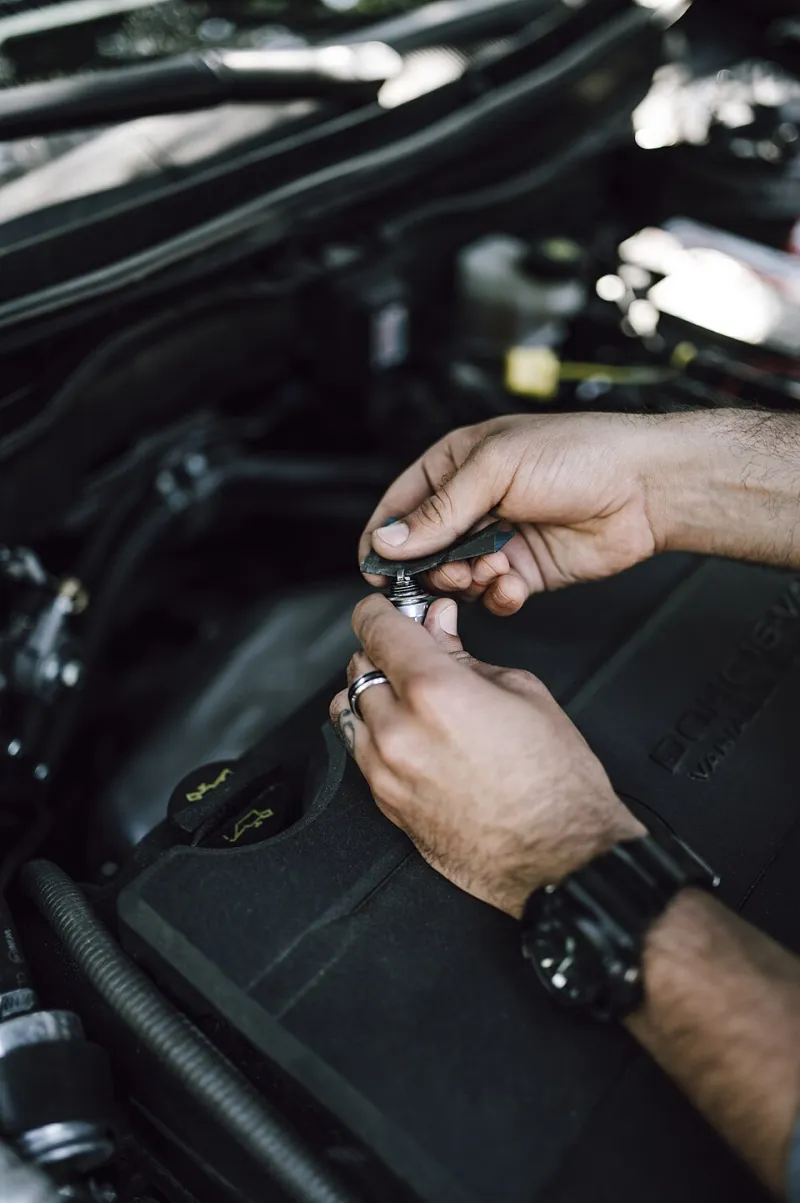
Photo: Shixart1985, CC BY 2.0, via Wikimedia Commons
8:04am, and the Corsa is already failing
There's a certain kind of silence that falls over a garage when a car fails its MOT. Not dramatic, not loud — just the tester wiping his hands, walking into the office and saying the word 'brakes' to the service manager. That's it. That's the whole conversation.
We spent a full day at an independent garage just outside Birmingham, following Dave — a tester with twenty-two years under his belt and a lamp inspection mirror worn smooth from use — as he worked through a queue of fourteen cars. What we learned should change how you think about the test.
The test isn't what most drivers think it is
The biggest misconception, Dave says, is that the MOT is a full health check. It isn't. It's a snapshot of roadworthiness on the day, checking specific items against specific criteria. Your engine could be eating its own pistons and, provided it isn't smoking excessively, the tester isn't paid to care.
'People come in and say "just give it a once-over while it's in",' Dave tells me between cars. 'But legally, if I spot something outside the test, I note it as an advisory or say nothing at all. The test is the test.'
That's why a car can pass with a gearbox on its way out — and why you should never treat a fresh MOT certificate as a used car inspection.
What actually gets flagged
Sitting in on the day's tests, the pattern was clear. The failures clustered around a handful of areas:
- Lights and electrics. A number plate lamp on a 2012 Fiesta. A headlight aim knocked out by a boot full of tools. Boring, cheap fixes — and still the most common reason a car doesn't get its certificate.
- Tyres. One 3 Series arrived with a bulge in the sidewall the owner swore 'hadn't been there last week'. Under 1.6mm across the central three-quarters and it's a fail, full stop.
- Brakes. The big one, cost-wise. Dave's rolling road results decide everything from a pass to a dangerous fail, and there's a genuine judgement call in the middle.
- Suspension and corrosion. The Rust Belt special. A fifteen-year-old hatchback from up north with sills like a biscuit.
The borderline calls nobody talks about
Here's where it gets interesting. A mid-day Skoda rolled in with brake readings sitting awkwardly in the grey zone — above the minimum efficiency, but not by much. Dave retested, checked the readings twice, and passed it with an advisory.
'That's the bit people don't understand,' he says. 'There are minimums, and there's what I'd drive on. My job is the minimum. The advisory is me telling you the truth without telling you what to do.'
Advisories aren't a scam — they're a paper trail. A car with three years of 'rear brake pipes corroded' advisories is telling you a story. Read the history before you buy, not after.
How not to pay for work you don't need
Dave's advice, offered grudgingly because he's technically talking himself out of work:
- Do the ten-minute pre-check. All lights, horn, wipers, washers, tyre tread, no oil light. Half of all fails are things you can spot on your driveway.
- Don't book a failing car in for repairs at the testing station without a second quote. Most garages are straight, but you're entitled to take it elsewhere — and sometimes the fix is simpler than it sounds.
- Keep your old certificates. Comparing advisories year on year shows you what's actually deteriorating.
- Clean the car. Not for vanity — testers can refuse to test a car that's filthy underneath, and a clean engine bay makes leaks easier to spot honestly.
The verdict
By closing time, eleven cars had passed, two had failed, and one Corsa had gone home on a temporary basis with a repair bill the owner described as 'a holiday's worth'. Dave clocked off the way he does every day — unbothered, unfazed, and already dreading the January rush when every car with a birthday in the cold months arrives with perished wiper blades.
The MOT isn't a conspiracy and it isn't a rubber stamp. It's a minimum standard, applied by humans, with room for judgement. Understand what it covers, read your advisories, and you'll never be on the wrong end of that garage silence.