Six Grand, One Plug, 300 Miles North: Can a Cheap EV Survive the A9?
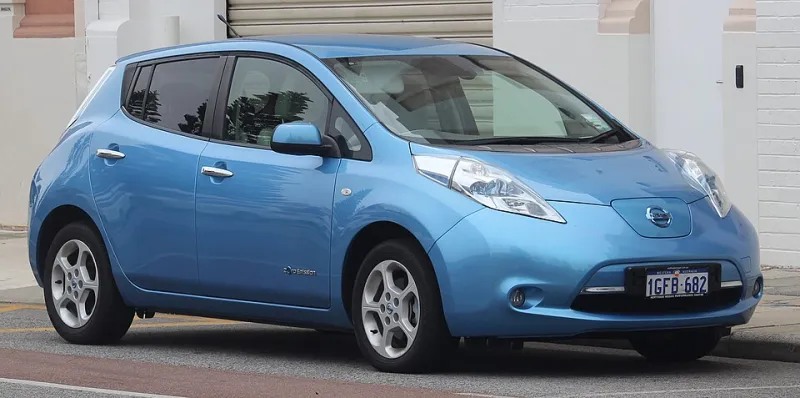
Photo: EurovisionNim, CC BY-SA 4.0, via Wikimedia Commons
The plan was simple: buy the cheapest EV that could plausibly make it out of a supermarket car park, point it north, and see whether the A9's charging map is as patchy as everyone says. The car was a 2016 Nissan Leaf 30kWh, 88,000 miles, ten of twelve battery bars showing. The price was £6,000. The destination was Thurso. The spreadsheet said maybe. The weather forecast said bring a coat.
The £6,000 question
Cheap used EVs have become the new bangernomics. You can buy one for the price of a tidy diesel hatch, and on paper it makes sense: no clutch, no timing belt, pennies to run if you charge at home. But the A9 is not a paper road. It is 230-odd miles of dual carriageway, single track, roadworks, Highland weather and long gaps between the places where you can plug in.
Our Leaf was a 30kWh model, which officially did about 155 miles. In November, with the heater on and a headwind, it was doing nearer 85. That is fine for Perth to Pitlochry. It is less fine for Perth to Thurso when your backup plan is a prayer and a flapjack.
Perth to Pitlochry: the easy bit
We left Perth at 100%, heater on low, radio off because every watt counts when you are pretending to be aerodynamic. The first leg was genuinely easy. The A9 rolled north, the Leaf sat at 60mph, and the battery gauge dropped in a way that felt almost honest. We stopped at Pitlochry, found a rapid charger, and discovered the first rule of public charging: the app is a suggestion, not a promise.
One charger was working. One was showing an error code. A third was blocked by a diesel Octavia whose owner was in no rush. We used the working one, stood in the cold for 25 minutes, and paid just under 80p per kWh. That is the moment the trip stopped being a road test and became a maths exam.
The spreadsheet starts to wobble
On public rapids, our Leaf was averaging about 3.4 miles per kWh. A 20kWh top-up cost roughly £15.80 and bought us about 68 miles. That works out at 23p per mile. A 45mpg petrol hatchback at £1.45 a litre costs about 15p per mile. Suddenly the cheap EV was not cheap at all.
At home, on a 26p per kWh tariff, the same car costs about 7.6p per mile. If you can charge on a driveway every night, the maths is lovely. If you are relying on motorway rapids and Highland chargers, the maths gets ugly fast. That is the honest truth of budget EV ownership in 2026: the car is cheap, but the charging strategy is everything.
Inverness to Thurso: the long, dark bit
From Inverness, the A9 north is about 110 miles of moorland, roadworks and not very much else. There are chargers. There are not always working chargers. We topped up at Tain, checked another at Dornoch, and pressed on towards Helmsdale with the heater off and a growing awareness that the next plug was not guaranteed.
The last 30 miles were done at 50mph behind a lorry, which is not the romantic Highland road trip you see in the adverts. We arrived in Thurso with 8% showing and the car politely suggesting we find a charger. We did. It worked. We celebrated with a bag of chips and a cup of tea that cost more than the electricity would have at home.
The charging desert is not empty. That is the nuance. There are plugs out there. The problem is the gaps between reliable ones, the apps that do not talk to each other, the RFID cards you did not know you needed, and the 22kW chargers that feel like a cruel joke when you have 40 miles left.
What the trip actually cost
We did 268 miles by the time we got to Thurso, including a detour for a photo and a wrong turn in Inverness. Public charging came to £63. A home top-up before we left cost £8. Total: £71. The petrol equivalent, at 45mpg and £1.45 a litre, would have been about £39.
So no, the cheap EV did not save us money on this trip. It saved us nothing and cost us time. But if we had charged at home every night for a year, the picture would flip completely. That is the trap with cheap EVs: the car is only cheap if your life fits around a plug.
Verdict
Can a £6,000 EV handle remote UK roads in 2026? Yes, with patience, planning, backup chargers and no deadlines. Would I recommend it to someone doing the A9 every week? Not unless they enjoy spreadsheets and cold hands. The car made it. The route is doable. But the charging network still has holes, and a cheap EV will find every single one.