Bacon Rolls at Breakdown Point: The Night Owls Keeping Britain's Truck Stop Car Parks Alive
The Floodlit Car Park at the End of the A1
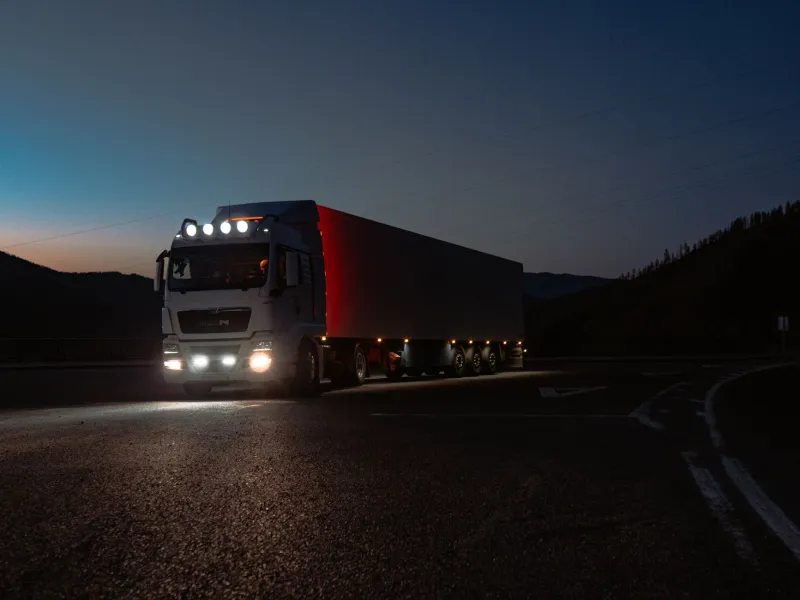
There's a moment, somewhere around half one in the morning, when the Wetherby services on the A1(M) transforms into something no car magazine has ever bothered to document. The coach bays are empty. The family hatchbacks are long gone. What's left is a curious congregation: three artics ticking over with their fridges humming, a Nissan Skyline on coilovers that looks like it's been driven hard from Leeds, a battered Mk2 Golf with a boot full of night-shift tools, and a brand new Defender whose owner just wanted somewhere quiet to think.
Nobody here is breaking the law. Nobody here is causing trouble. They're just awake, and they've all ended up in the same pool of light.
'The Lorry Drivers Got There First'
Truck stops have been Britain's original car culture venues for decades, long before anyone thought to charge a tenner for a coffee and call it a meet. The rulebook was written by HGV drivers: park sensibly, nod at the cabs, don't block the fuel islands, and if you want respect, buy something from the counter.
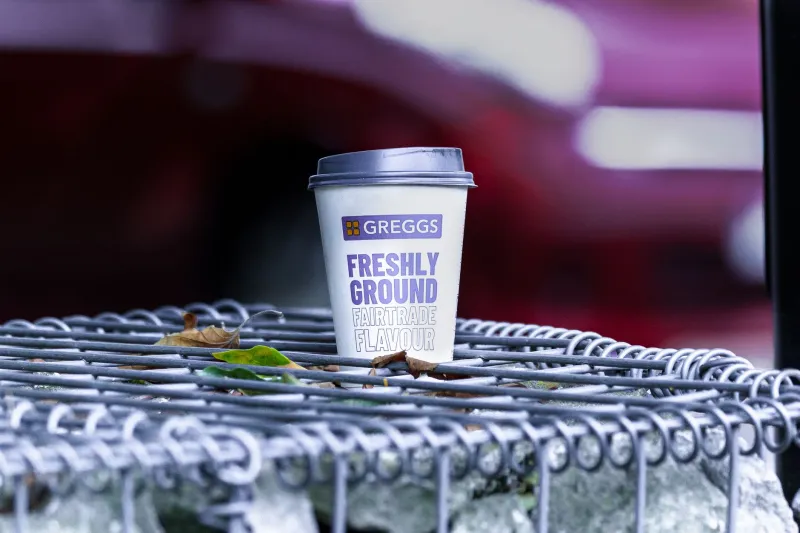
'Them lads in the lowered motors, they learned it all from us,' Dave, an Igloo-hauler driver with thirty years of night work behind him, tells me over a styrofoam cup. 'We were parked up having a brew and a natter about engines at two in the morning when they were still in school. Now they come here with their Vauxhalls and their exhausts. It's the same conversation, just smaller vehicles.'
He's not wrong. Walk through the car park of any 24-hour stop on a weeknight and you'll hear the same chatter you'd find at a Sunday morning show: what's changed on the car, what's leaking, what's next on the list. The difference is the cast. Instead of enthusiasts with clean driveways, it's people genuinely mid-journey — van men between drops, nurses driving home from nights, lads testing a freshly mapped engine before the long run to Scotland.
The Café That Never Says When
Keeping this whole ecosystem fed is a special breed of café owner. At the famous Elbrook's stop outside Grantham — a place that's fed drivers since before the M1 was fully open — the grill has been known to run twenty hours a day.
'You get your regulars and you get your wanderers,' says the woman behind the till, who asked not to be named but has worked the night shift here for eleven years. 'The wanderers are the interesting ones. Lads in cars worth more than my house, sitting on the bonnet at three in the morning, eating beans on toast. They don't want owt fancy. They want somewhere warm where nobody's asking why they're up.'
That's the crux of it, really. There's very little in Britain that's open at 2am, and even less that's pleasant to be in. A truck stop café is one of the few rooms in the country where a twenty-year-old in a modified Corsa and a fifty-year-old in a 44-tonne DAF are treated exactly the same — as customers, and as company.
The Midnight Cruise Is Not What You Think
The phrase 'midnight cruise' conjures up boy racer stereotypes, but the reality on Britain's A-roads is far tamer and far stranger. Ask anyone who regularly drives between midnight and 4am and they'll tell you the same thing: the roads are empty, the traffic lights are green, and the driving itself becomes almost meditative.
'It's the only time the car feels like it's mine,' says Ellie, a care worker who does three nights a week in Sheffield and drives a slightly modified Fiesta ST. 'During the day it's traffic, it's parking, it's stress. At night it's just me, the radio, and the A616 over the moors. Sometimes I'll see another modified car going the other way and we both flash the lights. That's it. That's the whole interaction. It's lovely.'
The community is real, even if it's mostly conducted through headlight flashes, forum posts and a shared understanding that whoever's awake at this hour has their reasons.
Why It Matters
There's a temptation to see all this as trivia — a quirky subculture of the sleepless. But I'd argue it says something important about British car culture generally. The best of it has never been about the cars themselves. It's about finding your people in unlikely places, and about the fact that a shared machine — whether it moves forty tonnes of scaffolding or one person to a night shift — gives strangers something to talk about.
Next time you're up at 2am and the walls are closing in, point the car at your nearest 24-hour stop. Buy a bacon roll. Park sensibly, nod at the cabs, and join the conversation.
Just don't block the fuel islands.